

Van Compare is a UK van insurance price comparison website. We share general information,
not personal recommendations.
Published: | Last updated: | Last reviewed: | Reviewed by: VanCompare Editorial Team
If you own a van and are wondering how to value it properly, a good van valuation is the best place to start. Whether you want a free van valuation, plan to sell your van online, or just want to know what it is worth today, understanding the numbers puts you in a much stronger position.
A lot of owners guess too high because they remember what they paid, or too low because they want a quick sale. Neither is ideal. The real value of your van depends on the current market, the van’s condition, mileage, history, and how desirable that model is right now.
This guide explains how van valuation works, what affects the price, and how to sell your van in a way that makes sense for your time, your goals, and your budget.

What is a van valuation and why does it matter?
A van valuation is an estimate of what your van is worth in the current market.
That is different from:
- what you paid for it
- what you still owe on finance
- what you hope to get for it
- what a dealer first offers you
A proper valuation is about what similar vans are actually selling for now, taking into account factors such as age, mileage, condition, specification, and demand.
That matters because pricing a van badly causes problems both ways:
- price it too high and buyers may ignore it
- price it too low and you may lose out unnecessarily
A good valuation helps you set a realistic starting point before you advertise, part-exchange, or negotiate.
How to get a van valuation online
The quickest way to get a valuation is usually through an online valuation tool.
Most tools ask for:
- your registration number
- mileage
- basic vehicle details
- sometimes condition or ownership information
Once you enter those details, the system compares your van with similar vehicles and recent market activity to produce an estimate.
This is useful because it gives you a quick benchmark, but it is still only a guide. No online tool can see dents, tyre condition, service history quality, or how well the van has been looked after. That is why you should treat a free valuation as a strong starting point, not an automatic final sale price.
How much is your van worth today?
The honest answer is: it depends on the market and the van.
Two otherwise similar vans can have different values because of:
- mileage
- service history
- trim level
- body condition
- engine and gearbox
- number of owners
- whether it is in demand locally
- whether it is being sold privately or to the trade
If you want to know how much your van is worth today, you need a current estimate based on current conditions. A value from six months ago may already be out of date, especially if the used van market has moved.
That is why it is worth checking value close to the point you actually plan to sell or trade in.
What affects van value the most?
A few factors tend to have the biggest effect.
Mileage
Mileage is one of the first things buyers and dealers look at. Lower mileage usually supports a stronger valuation, while higher mileage often pulls the value down.
That said, mileage is not everything. A high-mileage van with full history and strong maintenance can still be worth more than a lower-mileage van with poor records and visible neglect.
Condition
Condition matters inside and out.
Things that often affect value include:
- dents and scratches
- rust or corrosion
- interior wear
- warning lights
- tyre condition
- windscreen damage
- signs of heavy working use
A van that looks tidy, drives well, and has clearly been looked after usually attracts stronger offers.
Service history
A full or well-documented service history helps reassure buyers that the van has been maintained properly. This can make a real difference, especially with higher-mileage working vans.
Model and market demand
Some vans are simply easier to sell than others. Popular, proven models with strong parts availability and good reputation often hold their value better than niche or less trusted alternatives.
Specification and features
Extras can help, but only when they are useful and attractive to the next buyer. Practical features such as lining, shelving, security improvements, or certain trims may support the price, depending on the type of van and the buyer.
Free van valuation explained
A free van valuation usually gives you a guide price based on online data, comparable vehicles, and broad market trends.
It is useful for:
- understanding the rough market range
- deciding whether now is the right time to sell
- comparing private sale against trade sale
- checking whether an offer seems fair
But it is still not the same as a guaranteed purchase offer. A buyer may adjust the price once they inspect the van in person.
So, “free van valuation” is best understood as:
- a market guide
- a pricing benchmark
- a way to avoid guessing
It is not the same as a final contract price.
Used van value vs trade-in value
One of the biggest mistakes sellers make is assuming every value should be the same.
There are usually different value levels depending on how you sell:
Private sale value
This is often the highest figure, because you are selling direct to the end buyer.
Trade-in value
This is usually lower, because the dealer needs room for preparation, warranty risk, margin, and resale costs.
Instant buying service value
This can be fast and convenient, but the offer may be lower than a good private sale because the buyer is taking on speed and resale risk.
That does not make one route right and another wrong. It just means the best option depends on whether you want:
- the best price
- the fastest sale
- the least hassle
Best place to sell a van
There is no single best place for every seller. It depends on what matters most to you.
Private sale
This often gives the strongest price, but it takes more effort. You need to:
- create the listing
- deal with enquiries
- answer questions
- arrange viewings
- manage negotiation
This route suits sellers who want to maximise value and are happy to do the work.
Dealer or part exchange
This is often simpler and faster, especially if you are replacing the van. The price may be lower, but the process is usually easier.
Online van buying services
These can be useful if speed and convenience matter more than squeezing out the very last pound. Just be aware that an online offer may still be adjusted after inspection.
How to sell your van for the best possible price
If your goal is the best realistic price, a bit of preparation goes a long way.
Clean it properly
A clean van makes a better impression and helps show condition clearly. That includes the cab, load area, bodywork and wheels.
Gather the paperwork
Have these ready if possible:
- V5C
- service records
- MOT history
- manuals
- spare keys
- receipts for major work
Fix small issues where sensible
Small cosmetic fixes, replacing worn items, or sorting minor faults can improve the overall impression. But be careful not to overspend trying to recover every pound, because some repairs cost more than they add back.
Use clear photos
Good photos help serious buyers decide whether your van is worth contacting you about. Use clear lighting and show:
- front and rear
- sides
- cab
- load space
- wheels
- any honest damage points
Price realistically
A realistic asking price creates more genuine interest than an inflated one. If you start too high, you may end up reducing later anyway.
Scrap value vs market value
Sometimes owners assume an older or rougher van is only worth scrap. That is not always true.
A van may still have market value if:
- it runs and drives
- it has usable life left
- it is repairable
- the model is in demand
- someone wants it as a workhorse or project
Scrap value is usually the fallback where the van is badly damaged, uneconomical to repair, or only really worth its parts and metal.
So before deciding to scrap, it is worth checking whether the van still has a usable resale value.
How to increase your van’s value before selling
You usually cannot transform the market overnight, but you can improve presentation and confidence.
Practical steps include:
- cleaning the van well
- making sure the mileage is recorded accurately
- gathering all service and repair records
- fixing small visible issues where sensible
- removing rubbish or old fittings if they make the van look tired
- being honest and clear in the advert
Sometimes the biggest improvement is not mechanical at all. It is simply making the van look cared for and easy to understand.
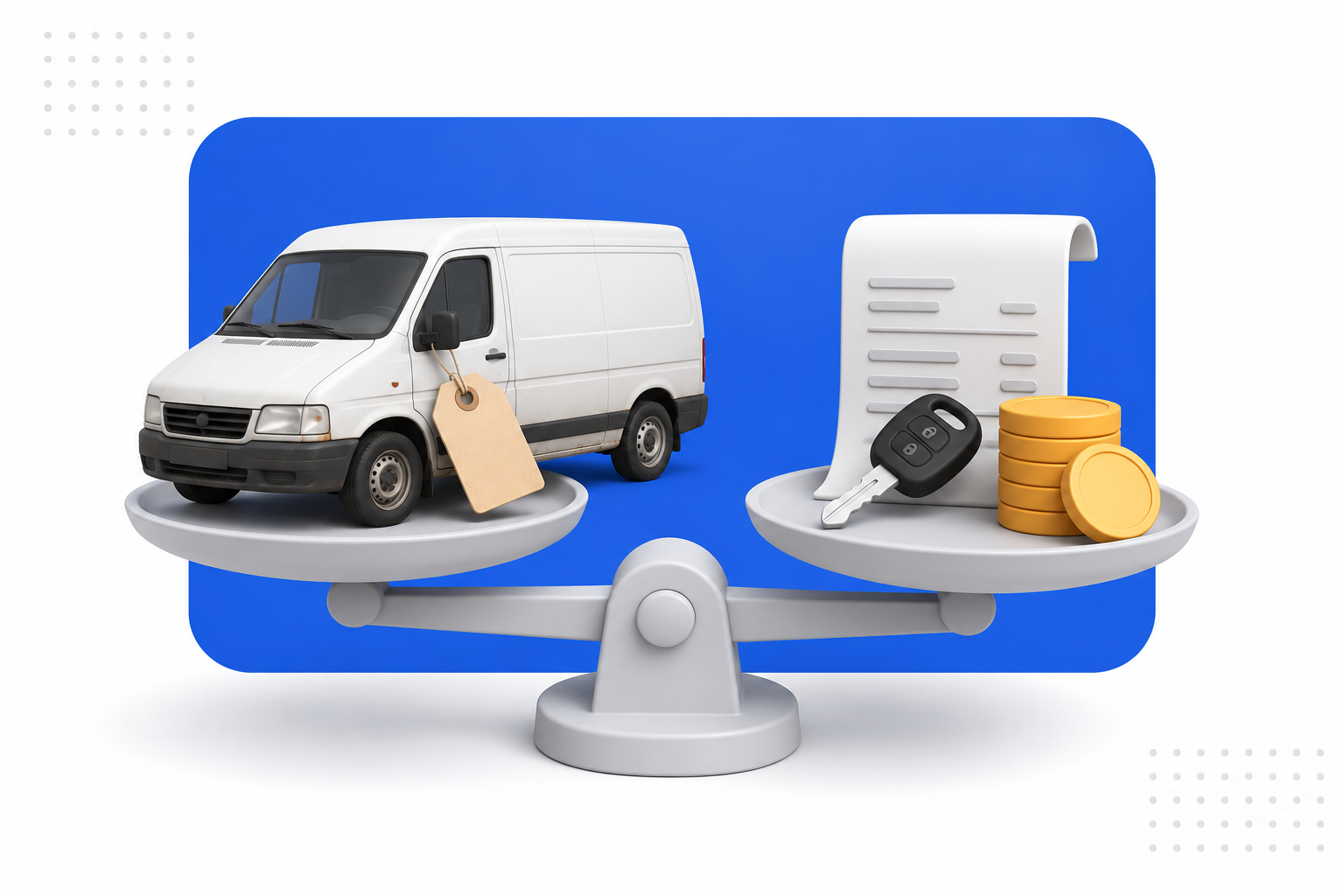
Final thoughts: get a free van valuation before you sell
If you are thinking about selling, trading in, or just checking where you stand, a free van valuation is a smart first step.
It gives you:
- a useful guide price
- a clearer view of the current market
- a better basis for negotiation
- more confidence before you sell
The key is not to treat any one number as perfect. Use the valuation as a benchmark, compare it against real listings and real offers, and then choose the selling route that matches your priorities.
If you want the best mix of speed, clarity and control, start by getting a current valuation and build from there.
FAQs
How can I get a free van valuation online?
You can usually get a free van valuation by entering your registration number and mileage into an online valuation tool. The tool compares your van with similar vehicles and current market data to give you a guide price.
What affects how much my van is worth?
The main factors are mileage, condition, service history, age, model, and current demand. A well-maintained van with lower mileage will usually achieve a stronger valuation than a similar van with visible wear or patchy records.
Is a free van valuation the same as a guaranteed sale price?
No. A free van valuation is a guide based on current market data. The final price may be higher or lower depending on inspection, condition, and where you choose to sell the van.
Is it better to sell my van privately or to a dealer?
It depends on your priority. A private sale may achieve a better price, but it usually takes more time and effort. Selling to a dealer or online buying service is often quicker and easier, but the offer may be lower.
Does service history make a difference to van value?
Yes. A full or well-documented service history usually helps support a stronger valuation because it gives buyers more confidence that the van has been maintained properly.
Should I scrap my van or try to sell it first?
Not every older van is only worth scrap. If it still runs, drives, or has demand in the used market, selling it may bring a better return. It is worth getting a valuation first before deciding.