Personal Van Insurance
Award Winning UK call-centre support 🇬🇧
Compare & Save £114 on average 🏷️









Free 10%OFF
TradePoint
Discount Card















Published: | Last updated:
| Last reviewed:
🏠 Home > 👷 Type > 🚐 Personal Van Insurance
Personal Van Insurance
If you use your van strictly for non-business purposes — such as hobbies, shopping, holidays or family travel — you’ll need personal van insurance. It keeps you legally covered without paying for commercial extras you don’t need.
GET QUOTES Get a quote in 3 mins

 Expert UK team

What Is Personal Use Van Insurance?
It’s a policy designed for social, domestic and pleasure driving in a van. This excludes work trips, deliveries or carrying goods for hire/reward — making it ideal for weekend trips, sports gear, or transporting larger items.
GET QUOTES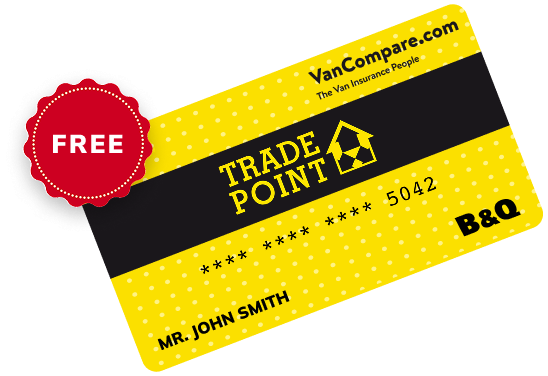 FREE 10% OFF
Tradepoint Discount Card on purchase.
FREE 10% OFF
Tradepoint Discount Card on purchase.
Who Should Consider
Personal Cover?
Personal van insurance suits drivers who use their van only for leisure, family, or personal activities — not work. It’s ideal for hobby van owners, families using vans instead of cars, and retirees or non-working drivers who want affordable, legal cover for everyday travel and weekend use.
GET QUOTESAdd-Ons You Can Include
-
 Breakdown cover
 -
Contents protection
-
Courtesy vehicle
-
Windscreen replacement
Cover Levels Offered

01
Comprehensive Cover
Includes protection for your own van, third parties, and accidental damage — ideal for full peace of mind.
03
Third Party Only (TPO)
Meets the legal minimum, covering injury or damage you cause to others.
02
Third Party, Fire & Theft (TPFT)
Adds theft and fire cover while keeping premiums affordable.
04
Lifestyle Add-Ons
Include windscreen repair, personal belongings cover, and breakdown assistance.
What Can It Cover?

Leisure‑Friendly
Ideal for camping, DIY projects, and days out.

Protect What You Carry
Optional personal belongings cover for valuables.

Simple Repairs
Fast claim handling helps minimise disruption.

Manage Online
Update details and documents anytime.
Tips for Reducing Personal
Cover Premiums
-
 Choose low-mileage use.
 -
Avoid heavily modified vans.
-
Park securely overnight.
-
Restrict drivers to over 25s.
Personal Van Insurance: FAQs & Key Insights
1. What is Personal Van Insurance?
Personal van insurance is designed for vans that are used purely for social, domestic and pleasure purposes. It can often provide legal cover for everyday private use, such as holidays, shopping, family travel or transporting sports and leisure equipment. This type of policy does not cover business use. Driving for work, carrying tools for trade or making deliveries requires commercial van insurance instead.
2. Who should consider personal van insurance?
Personal-use policies are ideal for:
- Families who use a van instead of a car for space and comfort.
- Hobbyists transporting sports or leisure equipment.
- Retirees or non-working drivers who no longer need business cover.
3. Types of Cover
| Cover Type | What it Includes | When to Use |
|---|---|---|
| Third Party Only | Covers damage to others and their property. | Legal minimum for any van used privately. |
| Third Party, Fire & Theft (TPFT) | Adds protection for fire damage and theft. | Good for older vans that still carry theft risk. |
| Comprehensive | Covers your van as well as others, fire and theft. | Best for newer or higher-value vans, or where downtime would be costly. |
4. What can it include?
- Fire and theft cover.
- Windscreen and glass protection.
- Accidental damage cover (Comprehensive policies).
- Optional extras such as breakdown recovery, courtesy van and legal expenses.
5. Is personal van insurance cheaper than commercial cover?
Often, yes. Because the risk profile is lower, personal van insurance usually costs less than policies covering business or hire and reward use.
6. Can a self-employed person take out personal van insurance?
Yes, but only if the van is used solely for social, domestic and pleasure purposes. If the van is used for work in any form, a commercial or self-employed policy is required.
7. Do all vans qualify for personal use cover?
Not always. Some vans are classified as commercial vehicles (N1 category). If a van is registered commercially, insurers may require a commercial policy even if it is only driven privately. Examples include certain Land Rover Defender hardtops and the Ineos Grenadier Commercial.
8. What happens if I use a personal van policy for work?
Using a van for business on a personal-only policy counts as misrepresentation. This can result in claims being denied and the policy being cancelled.
9. Tips for lowering personal cover premiums
- Limit annual mileage.
- Avoid heavy modifications or performance upgrades.
- Park securely overnight (driveway, garage or secure compound).
- Restrict cover to drivers aged 25 and above.
- Pay annually rather than monthly if possible.
📝 Regulatory note
All van insurance policies must meet the minimum requirements of the Road Traffic Act 1988 and comply with FCA regulations. The correct cover type depends on both vehicle classification and how the van is used.
✅ Summary
Personal van insurance is the right choice if you drive your van only for social, domestic and pleasure use. It provides legal cover for everyday trips without paying for business extras you do not need. However, some vans are classified as commercial and may require a commercial policy even if driven privately, so always check the vehicle registration and insurer’s requirements.
Why Choose VanCompare.com?
We compare personal-use van policies from trusted UK insurers — helping you stay protected without paying business-level extras.
See how VanCompare works GET
QUOTES
GET
QUOTES
Our Benefits Include:
-
10% B&Q TradePoint Discount Card
-
Award-Winning App
-
4.5★ Rating (11,000+ reviews)
-
Multi-Award Winning Comparison Site
-
UK-Based Support Team


Get Personal Van
Insurance Quotes
Find cover that fits your private van use today — only at VanCompare.com.
Get Quotes