Comprehensive
Van Insurance
Award Winning UK call-centre support 🇬🇧
Compare & Save £114 on average 🏷️









Free 10%OFF
TradePoint
Discount Card

















Published: | Last updated:
| Last reviewed:
🏠 Home > 👷 Type > 🚐 Comprehensive Van Insurance
Comprehensive Van Insurance
Comprehensive van insurance gives you the highest level of protection available. It covers not only damage to other vehicles and property — but also your own van, even in at-fault accidents.
GET QUOTES Get a quote in 3 mins

 Expert UK team

What Is Comprehensive Insurance?
This is an all-inclusive policy that protects your van from the widest range of risks — including collisions, vandalism, fire, theft, and more. It’s ideal for drivers looking for complete peace of mind.
GET QUOTES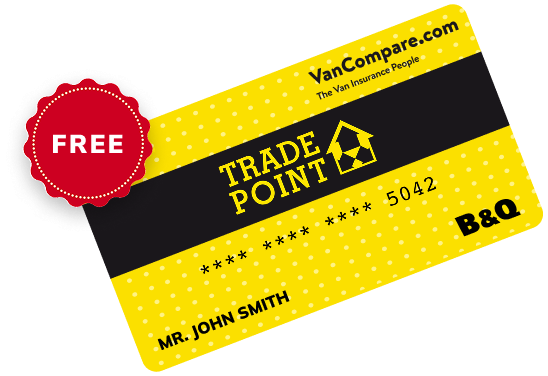 FREE 10% OFF
Tradepoint Discount Card on purchase.
FREE 10% OFF
Tradepoint Discount Card on purchase.
Who Should Consider It?
Comprehensive van insurance is designed for drivers who want maximum protection — covering their own van as well as third-party liability. It’s best suited to owners of newer or higher-value vans, high-mileage drivers, and anyone wanting full protection in any scenario.
GET QUOTESOptional Extras You Can Add
-
 Breakdown cover
 -
Tool insurance
-
No-claims protection
-
Courtesy van
-
Legal expenses
Why Choose Comprehensive Cover ?

01
Protect Your Own Van
Unlike lower cover levels, comprehensive insurance pays for repairs or replacement of your own van after an accident — even when you’re at fault.
03
Enhanced Support After Accidents
Includes access to courtesy vans, approved repair networks, and direct claims assistance for faster turnaround.
02
Wider Damage Protection
Covers theft, fire, vandalism, and accidental damage in one policy, reducing the risk of unexpected repair bills.
04
Added Peace of Mind
Ideal for newer, higher-value vans or drivers who want to know that everything — from tools to personal injury — is protected.
What Does It Include?

Highest Cover Level
Minimises out‑of‑pocket costs after an accident.

All‑Round Fit
Ideal for newer vans or higher daily usage.

Smooth Claims Process
Fast, straightforward support to keep you mobile.

Protect Discounts
NCB protection helps steady future premiums.
Tips to Lower Comprehensive
Insurance Costs
-
 Increase your voluntary excess.
 -
Install security systems such as alarms or trackers.
-
Build your no-claims bonus.
-
Consult with an FCA-regulated broker before adjusting your cover.

Comprehensive Van Insurance: FAQs & Key Insights
1. What is Comprehensive Van Insurance?
Comprehensive van insurance provides the highest level of cover available. It protects you against third-party damage and liability, but also includes cover for your own van, even if you are at fault in an accident. This type of policy usually includes protection against fire, theft, vandalism and accidental damage, making it the most complete option on the market.
2. Who should consider comprehensive cover?
Comprehensive van insurance is well suited to:
- Owners of newer or higher-value vans.
- High-mileage drivers who face greater risk of accidents.
- Drivers who want full protection and peace of mind in any scenario.
3. How does it compare to other cover types?
| Cover Type | What it Includes | When to Use |
|---|---|---|
| Third Party Only | Covers damage to others and their property. | Legal minimum; cheapest, but no protection for your own van. |
| Third Party, Fire & Theft (TPFT) | Adds protection for fire and theft. | Suitable for older vans still at risk of theft but not worth repairing after an accident. |
| Comprehensive | Covers your van as well as others, fire, theft and accidental damage. | Best for higher-value vans or drivers who want complete protection. |
4. Insurer practice can vary depending on vehicle value.
- For higher-value vans, some insurers will only offer comprehensive cover, as lower cover levels are considered too risky.
- For lower-value vans, certain insurers may only offer Third Party, Fire & Theft, although this is less common.
5. What is typically included?
- Damage to your own van.
- Fire and theft cover.
- Third-party liability for injury or damage to others.
- Windscreen and glass protection.
- Legal costs and recovery assistance.
Optional add-ons may include:
- Breakdown cover.
- Tools in transit insurance.
- Courtesy van hire while yours is off the road.
- No-claims discount protection.
6. Is comprehensive van insurance always more expensive?
Not necessarily. In some cases, comprehensive cover can be cheaper than TPFT because insurers see comprehensive drivers as lower risk. Always compare quotes before deciding.
7. Can I get comprehensive cover for business use?
Yes. Many policies can be tailored for commercial use, including carriage of own goods or hire and reward.
8. Does comprehensive mean “everything is covered”?
No. Exclusions still apply, such as wear and tear, mechanical breakdown or carrying unauthorised loads. Always check policy wording carefully.
9. Does excess change with different cover levels?
Yes. The amount of compulsory excess required by insurers can vary depending on whether the policy is Third Party Only, TPFT or Comprehensive.
10. How to reduce comprehensive premiums
- Increase your voluntary excess.
- Install alarms, immobilisers or tracking devices.
- Limit usage to social or light commercial purposes.
- Build and protect a strong no-claims record.
- Pay annually rather than monthly.
📝 Regulatory note
All van insurance must meet the legal requirements of the Road Traffic Act 1988 and be sold in line with FCA regulations. Comprehensive policies exceed the minimum standard but must still comply with these rules.
✅ Summary
Comprehensive van insurance offers the broadest protection, covering third-party liability as well as your own van in most scenarios. Some insurers will only offer comprehensive cover for high-value vehicles, while lower-value vans may sometimes only be eligible for Third Party, Fire & Theft. Compulsory excess levels can also change between policy types. Comprehensive cover is particularly valuable for newer or high-value vans, high-mileage drivers, and those who want peace of mind. While it is the most complete option, it is not always the most expensive, so comparing policies remains essential.
Why Choose VanCompare.com?
We compare comprehensive van insurance quotes from leading UK insurers — giving you complete protection and value in minutes.
See how VanCompare works GET
QUOTES
GET
QUOTES
Our Benefits Include:
-
10% B&Q TradePoint Discount Card
-
Award-Winning App
-
4.5★ Rating (11,000+ reviews)
-
Multi-Award Winning Comparison Site
-
UK-Based Support Team


Get Comprehensive
Van Insurance Quotes
Get full protection with comprehensive van insurance — start comparing quotes now at VanCompare.com.
Get Quotes